What You Need to Know About the Types of Construction Injuries
Construction sites are inherently dangerous environments. Heavy machinery, elevated workspaces, and hazardous materials combine to create an environment where accidents can happen in an instant. When these accidents occur, the resulting physical, emotional, and financial toll on victims and their families can be devastating. Understanding the specific risks associated with these worksites is the first step toward protecting your rights.
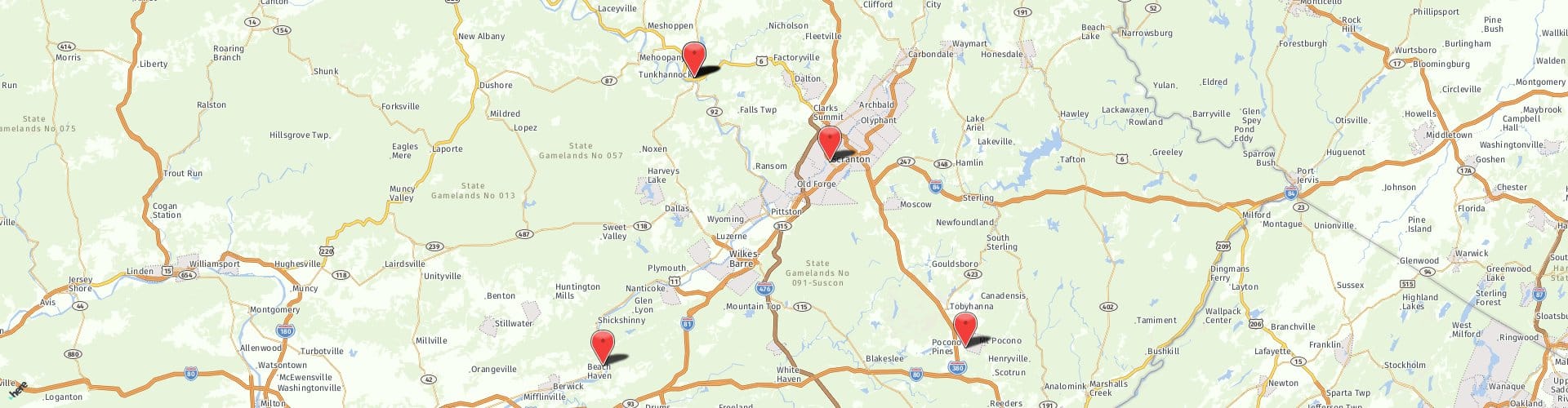
For over 75 years, the personal injury attorneys at Lenahan & Dempsey, P.C. have dedicated their practice to representing those harmed by the negligence of others. Our firm has recovered hundreds of millions of dollars for clients across Northeastern and Central Pennsylvania, as well as the Pocono Mountains.
Through our history in personal injury law, we understand the complex nature of construction injuries and the specific legal avenues available to victims. Whether you are dealing with a standard workplace accident or a severe injury caused by a third party, knowing the different types of construction injuries can help you determine your best path forward.
Understanding the “Fatal Four”
The Occupational Safety and Health Administration (OSHA) has identified four leading causes of death on construction sites. These are commonly referred to as the “Fatal Four.” Because these accidents happen while a worker is performing their job duties, victims or their families typically file for Workers’ Compensation. However, if a third party — such as a property owner or equipment manufacturer — is at fault, a personal injury lawsuit may be necessary.
1. Falls
Falls are the top cause of fatalities in the construction industry. Workers frequently operate on ladders, scaffolding, roofs, and other elevated surfaces. A sudden slip or a structural failure can lead to a catastrophic drop.
2. Struck-By Objects
Workers are routinely at risk of being hit by falling, swinging, or flying tools and materials. An unsecured tool dropped from a scaffold or a piece of heavy material swinging from a crane can cause immediate and severe harm.
3. Electrocutions
Construction sites are heavily reliant on temporary power sources and heavy-duty electrical equipment. Electrocutions often occur through direct contact with overhead power lines, exposed wiring, or the use of electrical tools in wet conditions.
4. Caught-In or Between
These terrifying accidents happen when workers are crushed, compressed, or pinned. This might involve being caught in unguarded machinery, pinned between heavy vehicles, or trapped in a collapsing trench wall.
Common Non-Fatal Construction Injuries
While the Fatal Four account for the most tragic outcomes, there are numerous types of construction injuries that, while non-fatal, can permanently alter a worker’s life. Like fatal accidents, these injuries often fall under Workers’ Compensation, which covers medical expenses and a portion of lost wages without the need to prove fault.
However, if a defective product or an independent contractor’s negligence caused the harm, victims can pursue a third-party personal injury case to seek broader compensation, including pain and suffering.
5. Traumatic Brain Injuries (TBIs) and Head Trauma
Even when a worker is wearing a hard hat, the sheer force of a falling object or a severe fall can result in concussions or traumatic brain injuries. These injuries often require long-term cognitive therapy and can permanently affect a victim’s ability to work.
6. Spinal Cord Damage and Musculoskeletal Injuries
The heavy lifting, repetitive motions, and sudden impacts associated with construction work frequently lead to spinal cord damage, herniated discs, and severe sprains. Overexertion can cause debilitating back, knee, and shoulder injuries.
7. Broken Bones, Fractures, and Amputations
Heavy equipment accidents and falls frequently result in broken bones and complex fractures. In cases involving heavy machinery, workers also face the grave risk of amputations, losing fingers, toes, or even limbs to unguarded mechanical parts.
8. Respiratory Illnesses, Burns, and Hearing Loss
Not all construction injuries happen in a single, violent instant. Long-term exposure to toxic dust, chemical fumes, and vapors can cause chronic respiratory illnesses. Additionally, long-term exposure to the loud noise of drills and jackhammers frequently leads to permanent hearing loss. Workers also suffer severe burns from electrical incidents, explosions, chemical spills, and fires.
Determining Your Legal Path: Workers’ Compensation vs. Personal Injury
After suffering an injury on a construction site, victims must navigate a complex legal landscape to secure the compensation they need. The appropriate legal path largely depends on who is responsible for the accident.
Workers’ Compensation
In Pennsylvania, most employees injured on the job are entitled to Workers’ Compensation. This is a no-fault system. You do not need to prove that your employer did anything wrong to receive benefits.
Workers’ Compensation is designed to cover your medical bills and provide a percentage of your lost wages while you are unable to work. Nearly all types of construction injuries, from repetitive strain to catastrophic falls, are initially handled through Workers’ Compensation claims.
Personal Injury Lawsuits
Under Workers’ Compensation laws, you generally cannot sue your own employer for negligence. However, construction sites are busy places filled with subcontractors, vendors, property owners, and equipment manufacturers. If someone other than your direct employer caused your injury, you may have grounds for a third-party personal injury lawsuit.
Unlike Workers’ Compensation, a personal injury case allows you to seek compensation for pain and suffering, emotional distress, and full lost earning capacity.
How Negligence Impacts Your Case
When pursuing a third-party personal injury lawsuit, proving negligence is essential. Negligence occurs when a party fails to exercise reasonable care, directly resulting in harm to someone else.
Equipment Malfunction
If a crane collapses, a power tool misfires, or scaffolding fails due to a manufacturing defect, the manufacturer or the company responsible for maintaining that equipment can be held liable. Defective equipment requires a thorough investigation to prove that the malfunction directly caused the injury.
Trench Collapses
Trenching is one of the most hazardous construction operations. When trenches are improperly secured, they can collapse and bury workers alive. If a third-party engineering firm or site manager failed to implement required safety measures or conduct proper soil testing, they can be held responsible for the resulting harm.
Lack of Training and Safety Gear
Site owners and general contractors may have legal responsibilities to maintain a safe work environment. Failure to provide proper safety training, harnesses, or protective equipment constitutes a severe breach of duty. When contractors ignore OSHA regulations to save time or money, their negligence directly endangers the lives of every worker on site.
Protect Your Future with Lenahan & Dempsey, P.C.
Construction injuries carry immense physical, emotional, and financial burdens. Whether you are fighting for the Workers’ Compensation benefits you deserve or pursuing a complex third-party personal injury lawsuit, you need a dedicated legal team in your corner.
Lenahan & Dempsey, P.C. is home to seven lawyers named to Best Lawyers in America. We have been recognized by judges, our peers, and leading law publications for our work on behalf of those who have been hurt due to the negligence of others. If you or a loved one has suffered any of these types of construction injuries, do not face the legal system alone.
Contact the personal injury attorneys at Lenahan & Dempsey, P.C. today for a free, no-obligation consultation to discuss your case and learn how we can help you secure the compensation you need to rebuild your life.